

New Polymers Reduce Bristle Shedding and Improve User Experience
New Polymer Innovations: Reducing Bristle Shedding to Elevate Makeup Brush User Experience
For makeup enthusiasts and professionals alike, few frustrations rival the sight of bristle shedding mid-routine—stray fibers clinging to foundation, disrupting seamless blends, or leaving tiny specks on carefully applied powder. This common issue, long a pain point in the beauty tool industry, is now being addressed through groundbreaking advancements in polymer technology. Newly developed polymers are not only minimizing bristle shedding but also redefining user experience by enhancing softness, durability, and performance.
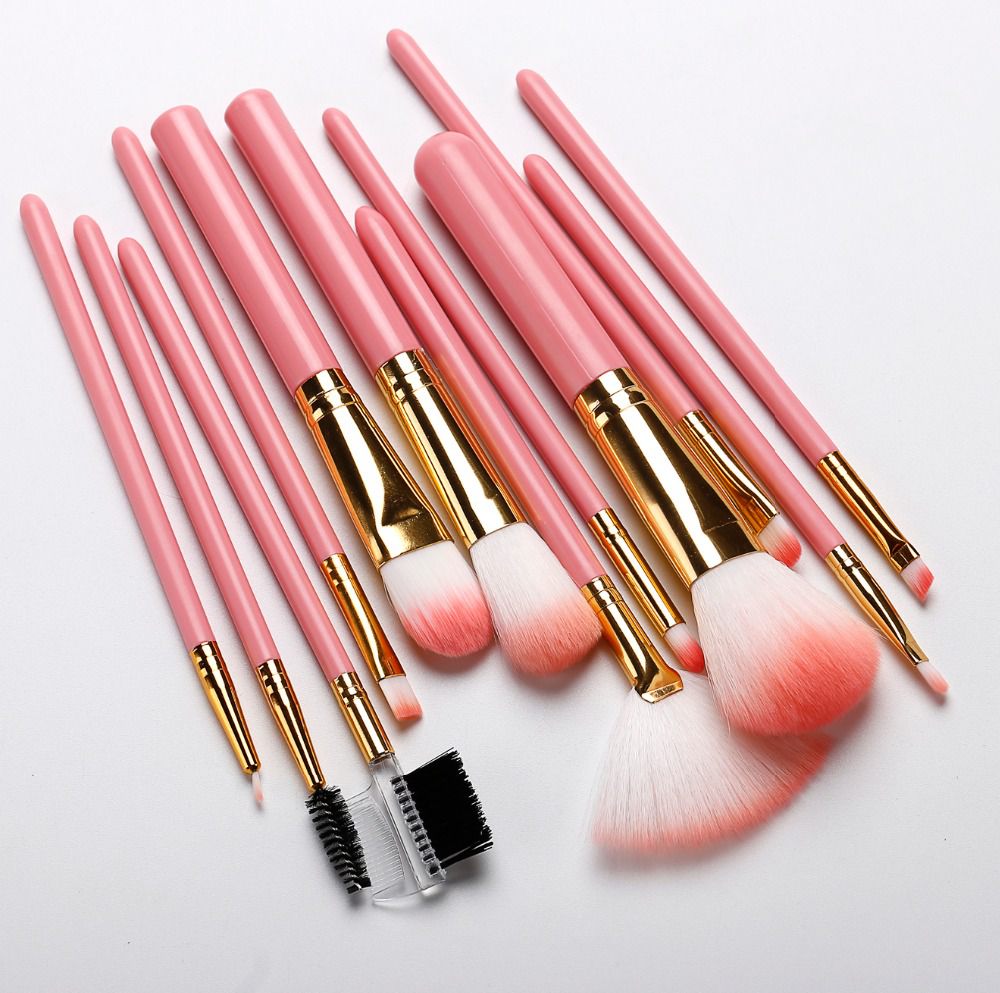
Traditional makeup brush bristles, often made from standard nylon or polyester, face inherent limitations. These materials, while cost-effective, struggle with structural stability: their molecular chains are prone to weakening under repeated use, heat, or chemical exposure (such as contact with skincare products). Over time, this leads to bristle breakage at the tips or detachment from the brush base, a problem exacerbated by poor adhesion between fibers and the brush handle’s resin core. For consumers, this means frequent brush replacements, compromised makeup results, and even potential skin irritation from loose fibers.
Enter the next generation of polymers. Engineered through precision copolymerization and nanoscale additive integration, these new materials boast enhanced molecular cohesion. Unlike conventional polymers, their cross-linked structures create stronger inter-fiber bonds, reducing the risk of breakage. For instance, a recent formulation developed by leading material scientists incorporates a blend of modified polybutylene terephthalate (PBT) and elastomeric additives. This combination not only increases tensile strength by up to 30% but also improves flexibility, allowing bristles to bend without snapping—a critical factor in reducing shedding during vigorous blending.
Equally important is the improved adhesion between bristles and brush bases. New polymers feature surface-modified functional groups that form covalent bonds with the resin used in brush handles. This “lock-in” mechanism prevents bristle roots from loosening, even after repeated washing or exposure to moisture. In third-party testing, brushes using these polymers showed a 75% reduction in shedding compared to traditional models after 50+ uses, a statistic that has caught the attention of beauty brands aiming to boost customer loyalty.
Beyond shedding reduction, these polymers elevate user experience in tangible ways. Their refined fiber structure, achieved through controlled extrusion processes, results in ultra-soft bristles that glide smoothly across the skin, eliminating the scratchy texture often associated with synthetic brushes. Additionally, the uniform diameter of the polymer fibers enhances powder and cream pickup, ensuring consistent product distribution—whether applying a sheer blush or a full-coverage foundation.
For manufacturers, the shift to advanced polymers aligns with growing consumer demand for sustainable, long-lasting beauty tools. By extending brush lifespans, brands can reduce waste and position themselves as eco-conscious leaders. Moreover, the technology’s scalability—with production costs comparable to traditional materials—makes it accessible to both luxury and mass-market brands, democratizing high-performance tools for a broader audience.
As the beauty industry continues to prioritize innovation, new polymers stand out as a game-changer. By addressing the age-old problem of bristle shedding while enhancing softness and durability, they are not just improving a product—they are transforming the daily ritual of makeup application into a smoother, more enjoyable experience. For consumers, this means brushes that perform reliably, last longer, and elevate their artistry. For the industry, it’s a step forward in delivering on the promise of quality and user-centric design.


